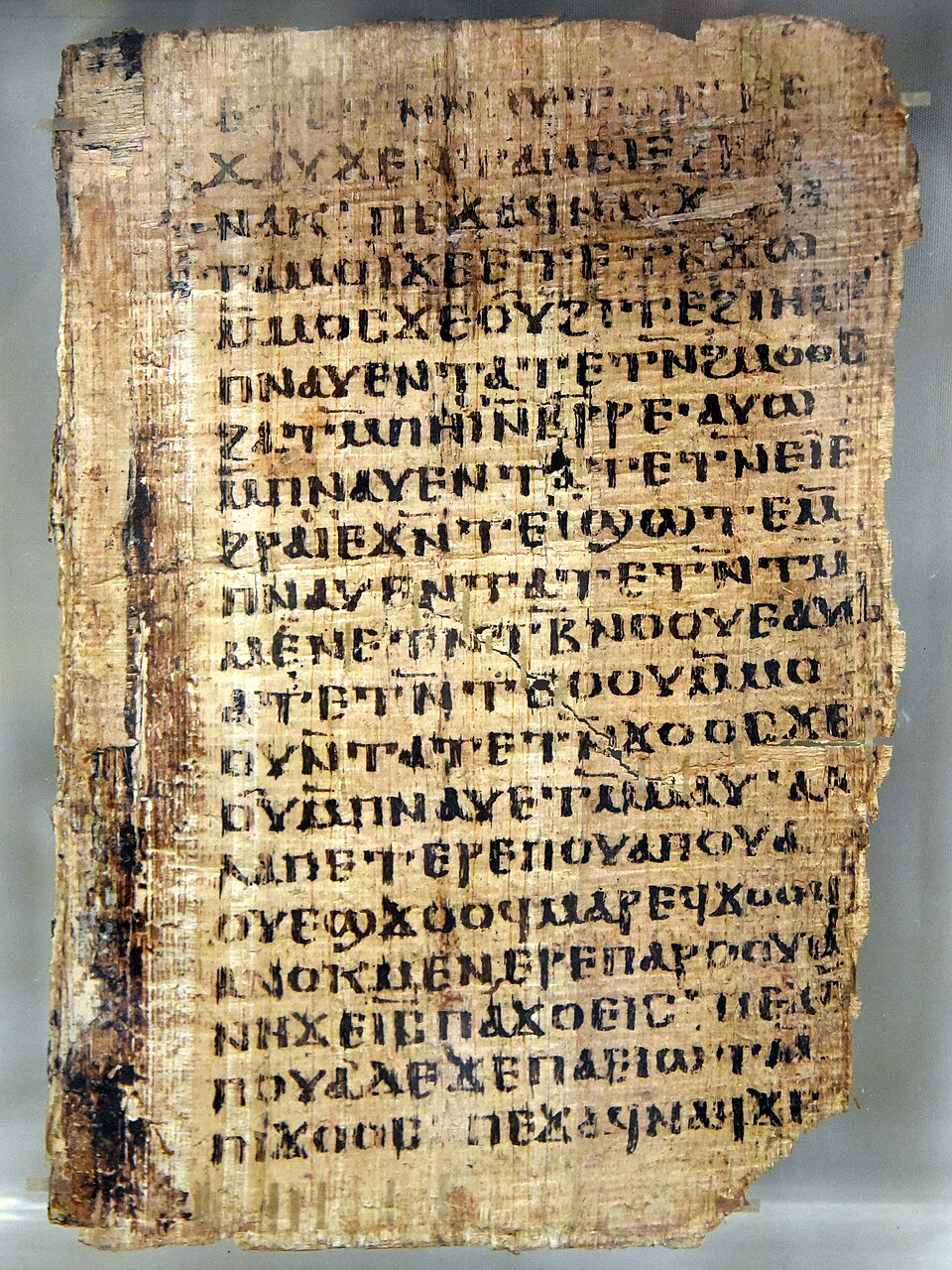
Leaf, page and opening
A codex consists of leaves bound along an edge. The front of a leaf is its recto and the back its verso; an opening presents two facing pages. A sheet folded once makes a bifolium, two connected leaves. Several bifolia can form a gathering or quire. The order of gatherings may have changed when a book was repaired or rebound. The modern cover may therefore belong to a different period from the text.
A missing leaf interrupts the physical sequence; a blank page may have been left intentionally. Ruling, sewing holes, catchwords and signatures can help reconstruct order. A viewer that presents single images may hide the relationship between facing pages or between the two halves of a bifolium.
Collation of a book
In codicology, collation describes the sequence and structure of gatherings. It is distinct from textual collation, which compares readings in different witnesses. A catalogue formula may reveal a lost leaf even when the text has no obvious break. Check whether foliation is original, later or supplied by a cataloguer.
Practice: in a digitised codex, find a numbered recto and its following verso. Locate one clue to construction or later repair, and state whether you observed it in an image or read it in the description.
Modern-language examples on this page clarify a linguistic pattern. They do not establish unattested sounds or forms for an ancient language. Follow the cited sources below and keep editorial readings separate from the surviving trace.