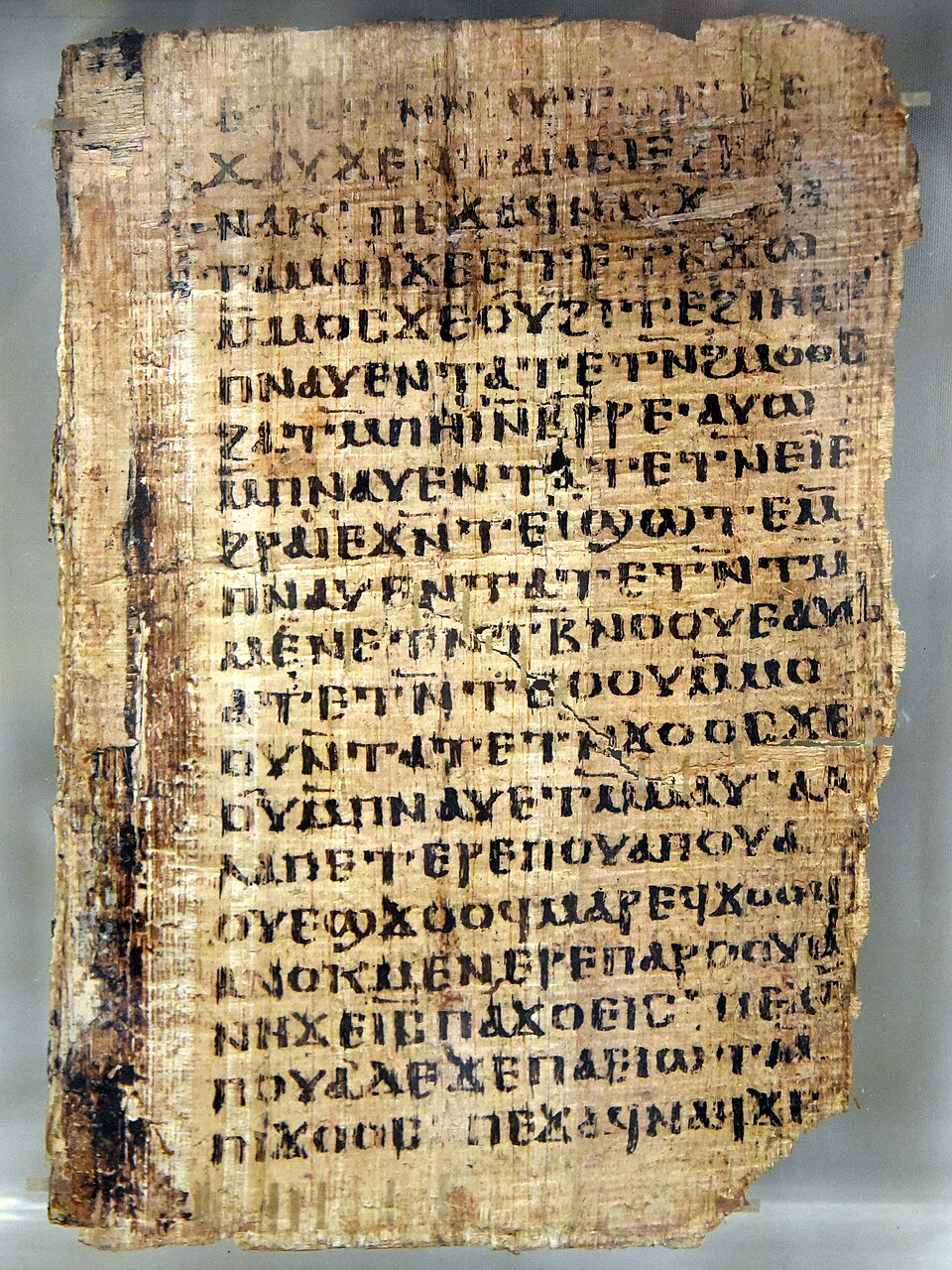
From exemplar to copy
A copyist may reproduce an exemplar closely, skip a line, repeat a phrase, modernise spelling, insert commentary or correct a passage from another source. The presence of a variant is evidence about the witnesses; the explanation for it is a hypothesis. Similar wording alone does not prove direct descent. Shared distinctive errors can be stronger evidence, but they too require testing against independent examples.
A witness can preserve more than one textual state: original ink, self-correction and later correction. Keep those states distinct in a comparison. An edition that chooses a reading from several witnesses is a constructed reading text. It should not be cited as if all its words occupy one manuscript page.
A small comparison
The TEI Guidelines compare named witnesses of Chaucer’s Wife of Bath’s Prologue. In the opening word, the example attributes “Experience” to Ellesmere, “Experiment” to Lansdowne 851 and “Eryment” to Rawlinson Poetic 149. These are the TEI example’s transcriptions, not a new collation of manuscript images. The variants document different readings; they do not alone establish which manuscript was copied from which.
Practice: use the linked TEI apparatus to list each reading beside its witness siglum. Ask which differences require inspection of the manuscript image and what other shared variants would be needed to test a copying relationship.
Modern-language examples on this page clarify a linguistic pattern. They do not establish unattested sounds or forms for an ancient language. Follow the cited sources below and keep editorial readings separate from the surviving trace.