Why formulae recur
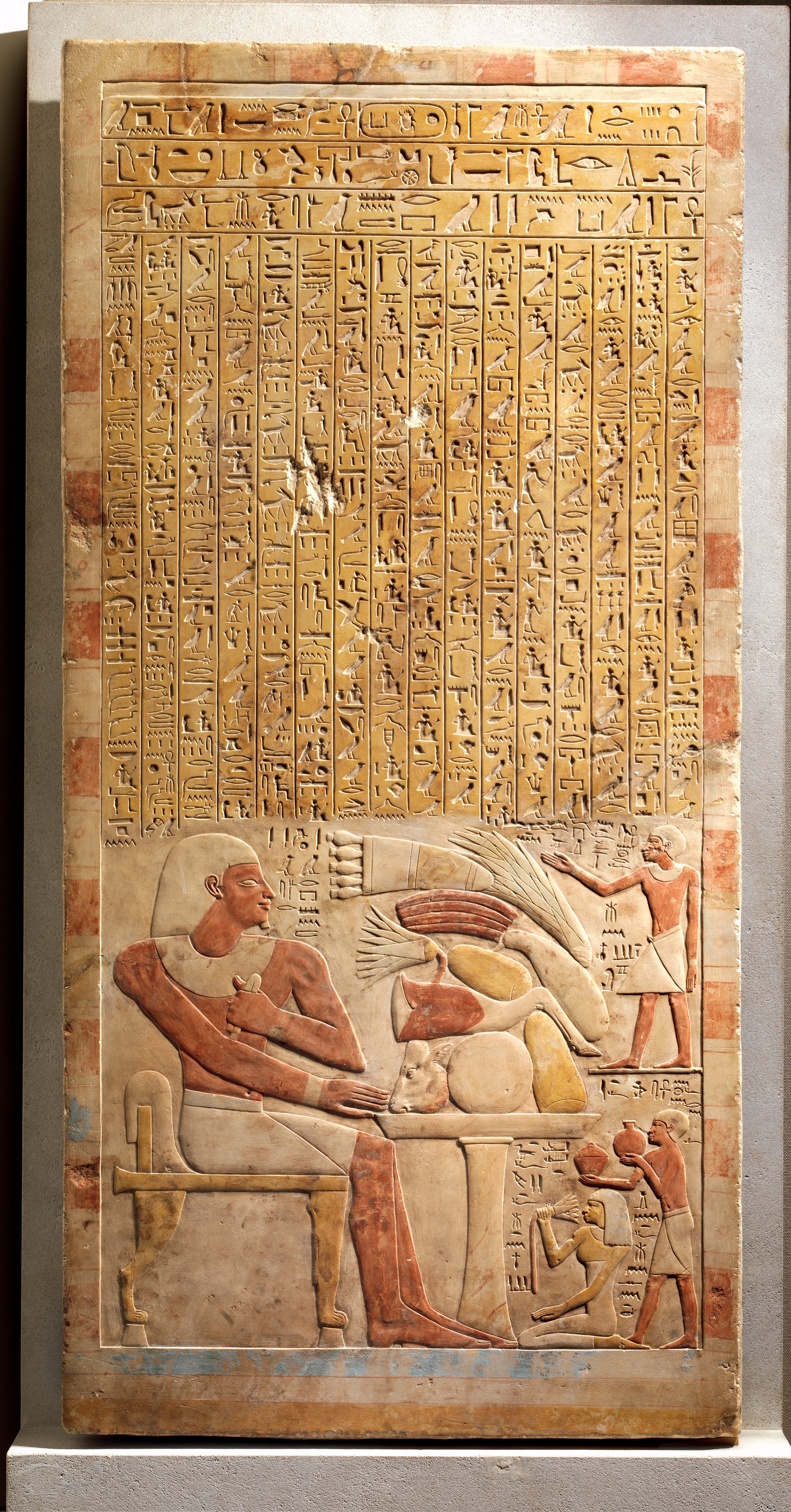
Inscriptions often use recurrent words, names, titles and closing phrases. Repetition helps a reader recognize genre and sometimes expand an abbreviation. It is also a trap: an unexpected form may be a local variant, error, later alteration or different phrase. Start from the letters on this object, then compare dated and geographically relevant parallels. Record the unexpanded letter sequence and the editorial expansion separately.
EDH identifies HD026504 as a votive inscription from the Saguntum area and prints abbreviated words with expansions in parentheses. A learner can inspect that editorial display as a model of how an expansion makes a fuller reading accessible. The parentheses are an edition's claim about what abbreviated letters stand for, not additional ancient grooves.
Genre and audience
A grave marker can identify a deceased person and commemorator; a dedication can name a donor and recipient; a decree can state an institutional decision; a boundary stone can assert a line or jurisdiction. Genre suggests questions, not an automatic translation template. A formula's social meaning depends on where and by whom the object was installed.
Practice: choose two records of the same declared genre. Compare their observable opening and closing structures, then note one difference in material, place, date or wording that prevents treating them as identical documents.
Modern-language examples on this page clarify a linguistic pattern. They do not establish unattested sounds or forms for an ancient language. Follow the cited sources below and keep editorial readings separate from the surviving trace.