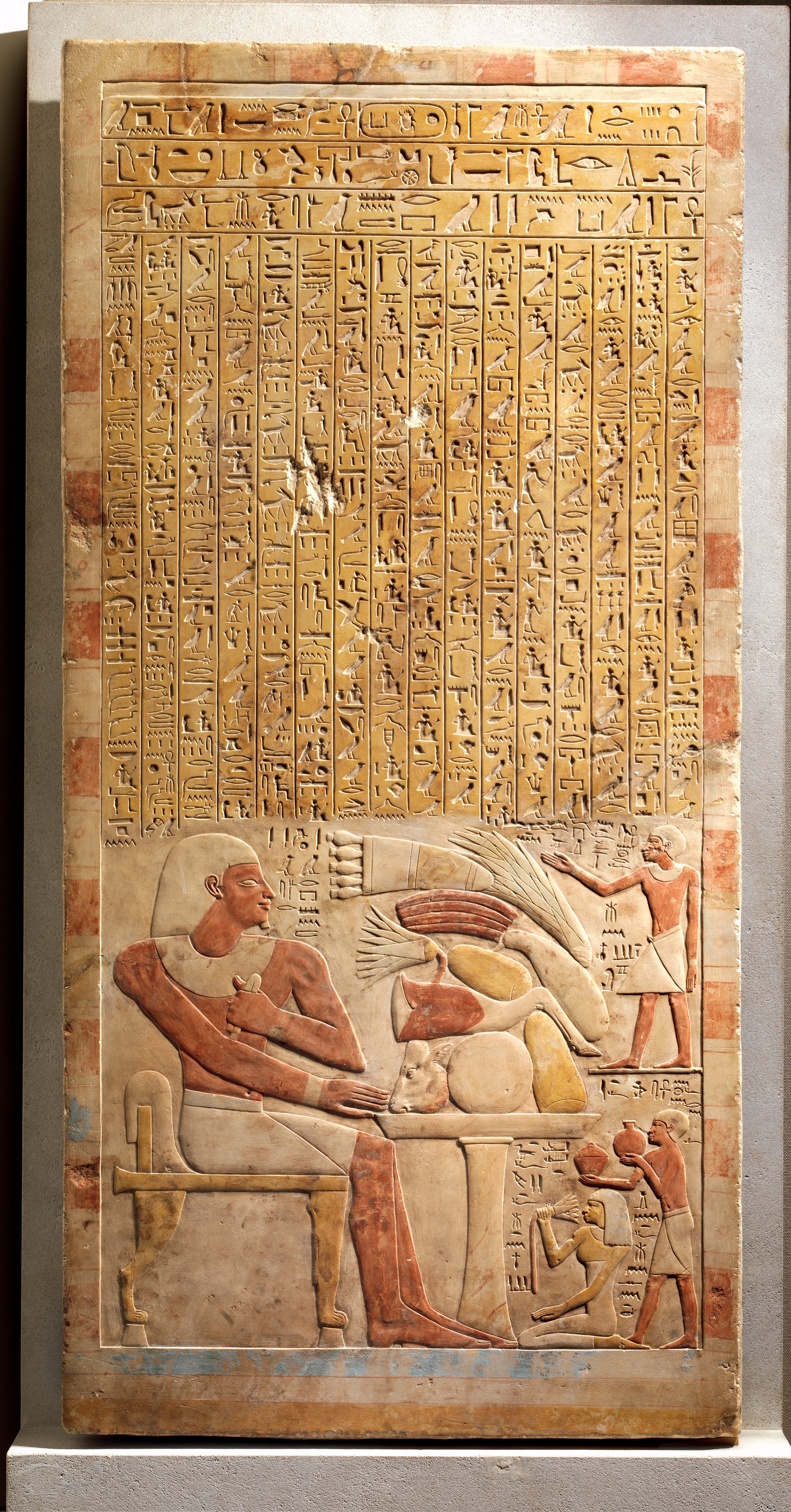
Shape and execution
Describe height, proportion, stroke order where recoverable, angular or rounded forms, spacing, depth and consistency. A sign may vary because of script tradition, region, period, material, tool, training or individual maker. Compare several letters on the same object before using a published alphabet chart. A damaged angular curve may look like an older form simply because part of it is gone.
“Hand” may mean an individual writer or an identifiable manner of writing; on a carved monument the person laying out letters and the person cutting them need not be the same. A date inferred from letterforms is a comparison-based range, not a timestamp read from a single character. EpiDoc provides fields for hand or letter description so that the observations behind such a judgment can be stated.
Check the comparison set
Choose securely dated, regionally relevant inscriptions made on comparable supports. List specific shared features and differences. A Greek local alphabet, a Roman formal capital and a cuneiform sign form require different specialist conventions; do not transfer a chart from one context to another. A normalized Unicode character preserves identity for search but cannot encode every ancient allograph.
Practice: choose two signs repeated on a short inscription. Mark variation within the object, then compare a second securely dated object. Explain whether the comparison supports a broad date range, a workshop connection or only a visual similarity.
Modern-language examples on this page clarify a linguistic pattern. They do not establish unattested sounds or forms for an ancient language. Follow the cited sources below and keep editorial readings separate from the surviving trace.