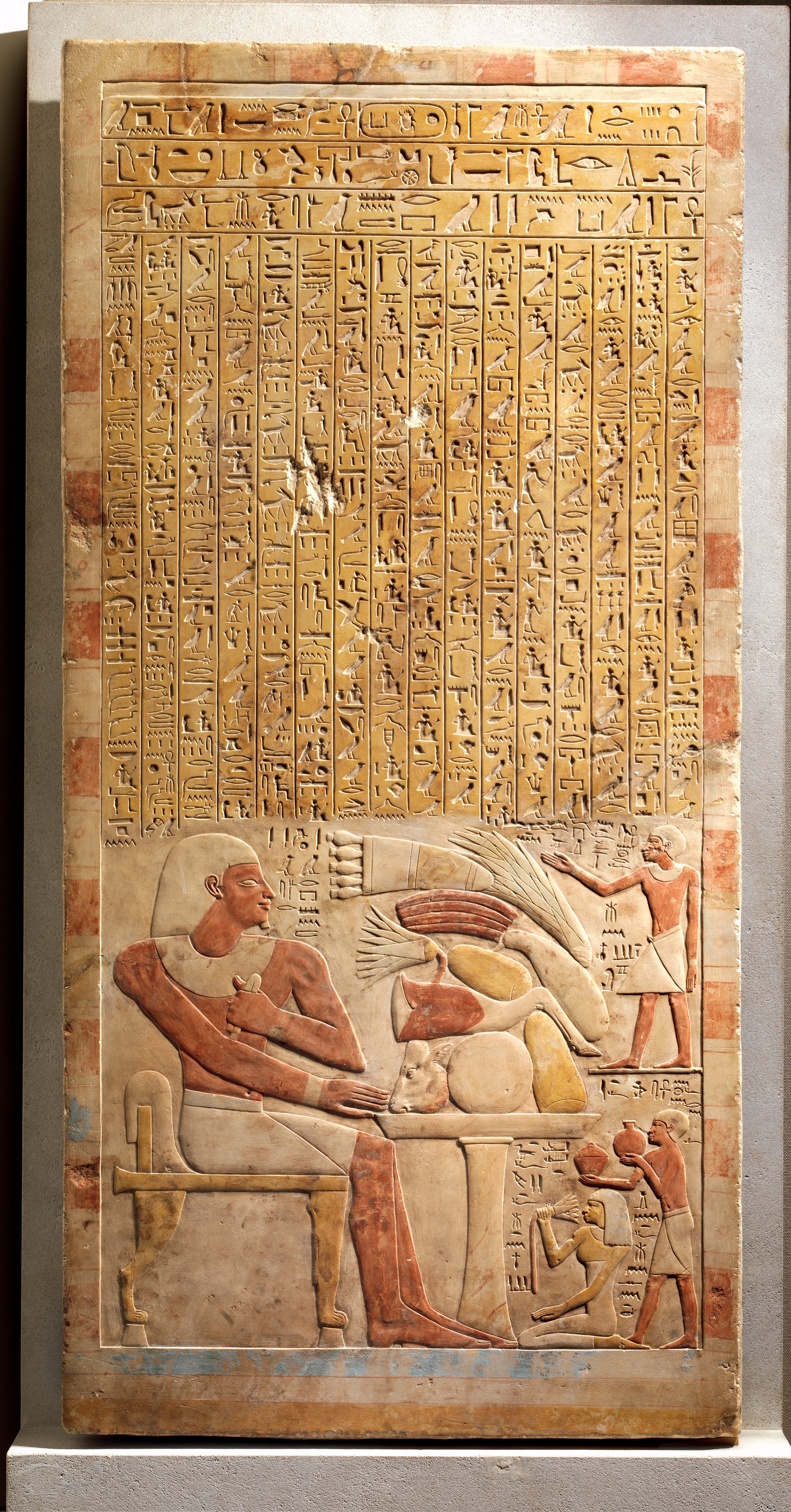
The monument
The PHI record SEG 41:540A describes a funerary epigram from Ambrakia on limestone blocks from a public monument's façade, dated around the middle of the sixth century BCE. It notes Corinthian script, a stoichedon arrangement and boustrophedon direction. Those statements give a physical and graphic starting point before any interpretation of the people or event commemorated. The record also cites prior publications, so its text is an edition rather than an unmediated view of the blocks.
Work from the publication's line and block divisions. Map each line's direction before copying it into normal left-to-right Greek. The edition marks uncertain and supplied letters; retain those marks in a diplomatic note. A smooth English account of the memorial must distinguish what the surviving blocks attest from what editors reconstruct in broken portions.
A source-aware walkthrough
First record SEG 41:540A and the object description. Second make an arrow diagram of physical reading order. Third copy a short, clearly preserved phrase from the published edition with its line number, then identify its case endings and commemorative role. Fourth note one uncertain letter and what would strengthen the reading. Finally compare the PHI edition with its cited publication before making a historical claim about the commemorated group.
Practice: write a four-sentence object label in your own words: support and original setting; layout; what genre the edition identifies; one editorial uncertainty. Do not write an invented Greek line to fill a gap.
Modern-language examples on this page clarify a linguistic pattern. They do not establish unattested sounds or forms for an ancient language. Follow the cited sources below and keep editorial readings separate from the surviving trace.