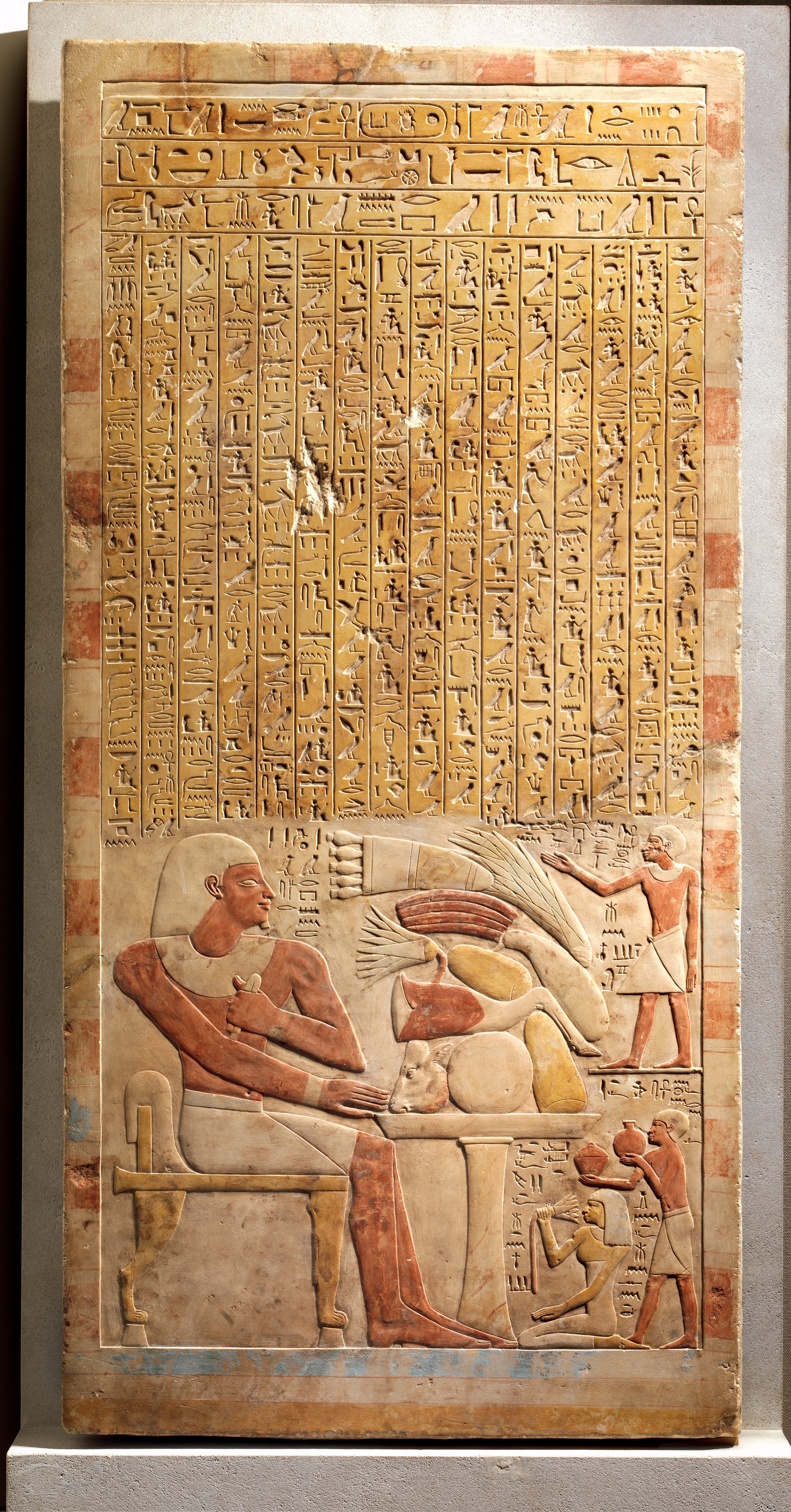
A sequence of questions
Identify the object and repository; describe its support, surfaces and setting; document the recording method; map reading order; transcribe visible signs; mark damage and loss; expand or normalize in a separate layer; analyze language and genre; compare parallels; argue for a date; then translate and interpret. Return from every interpretation to the relevant object line. A new photograph or join may require revising later steps without changing what an earlier editor actually published.
The order is a discipline, not a claim that all projects have identical resources. Some objects lack a secure findspot, accessible image or surviving original. Make the gap explicit. A complete research note can say “reading checked against edition; original not inspected” and still be useful. EpiDoc's division between transcription, supporting data and indexing mirrors these distinct questions.
A final exercise
Choose one Greek, Latin, Egyptian, cuneiform, South Asian or Maya inscription with a stable institutional or project identifier. Produce a one-page dossier: object and context; image or recording method; reading-order sketch; two or three lines of diplomatic transcription copied with citation; editorial uncertainty; normalized or translated reading; date and evidence; one comparison; provenance and image terms. Use only lines in an actual edition.
End with two sentences: the strongest conclusion the evidence supports, and the most important unresolved question. A reader should be able to locate the same surface and see exactly where observation ended and interpretation began.
Modern-language examples on this page clarify a linguistic pattern. They do not establish unattested sounds or forms for an ancient language. Follow the cited sources below and keep editorial readings separate from the surviving trace.