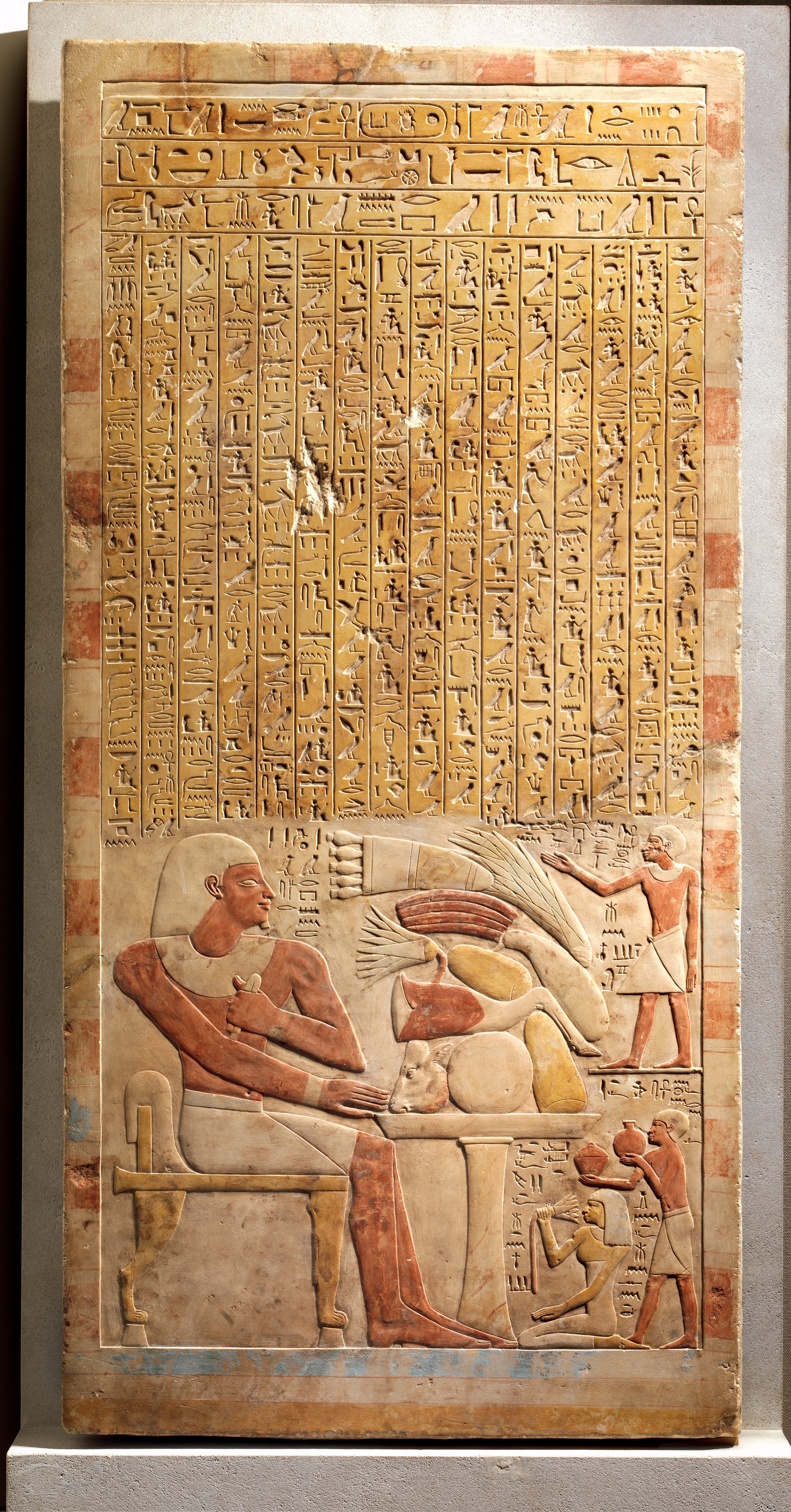
Making a mark
A chisel removes stone, a stylus presses into soft clay, a point scratches a hard surface, and pigment sits on or enters a prepared ground. A letter outline can preserve a guide line or an unfinished cut; a deeper recut groove may belong to a correction. Describe what is visible before naming the tool or the order of work. The same word can appear on a durable monument or a portable everyday object, but their production and use differ.
Record both support and writing method. “Stone inscription” alone loses whether the text is on a dressed face, a rough rock, a reused block or a statue base. “Clay tablet” alone loses whether a surface is an obverse, reverse, edge or sealed envelope. The CDLI collection makes these object distinctions central to cuneiform research.
Surface history
Weathering, breakage, fire, deposits, cleaning, recutting and modern conservation may all change what a sign looks like. A crack crossing a letter is not necessarily a stroke. Compare adjacent letters, tool marks and photographs made at different times. If a line appears only in a retouched drawing, record the drawing as an editorial witness rather than quietly transferring its reading to the object.
Practice: make a four-column note for one difficult sign: visible trace, proposed sign, reason for the proposal, and what further photograph or physical examination would test it. Leave the proposal blank when the traces are insufficient.
Modern-language examples on this page clarify a linguistic pattern. They do not establish unattested sounds or forms for an ancient language. Follow the cited sources below and keep editorial readings separate from the surviving trace.