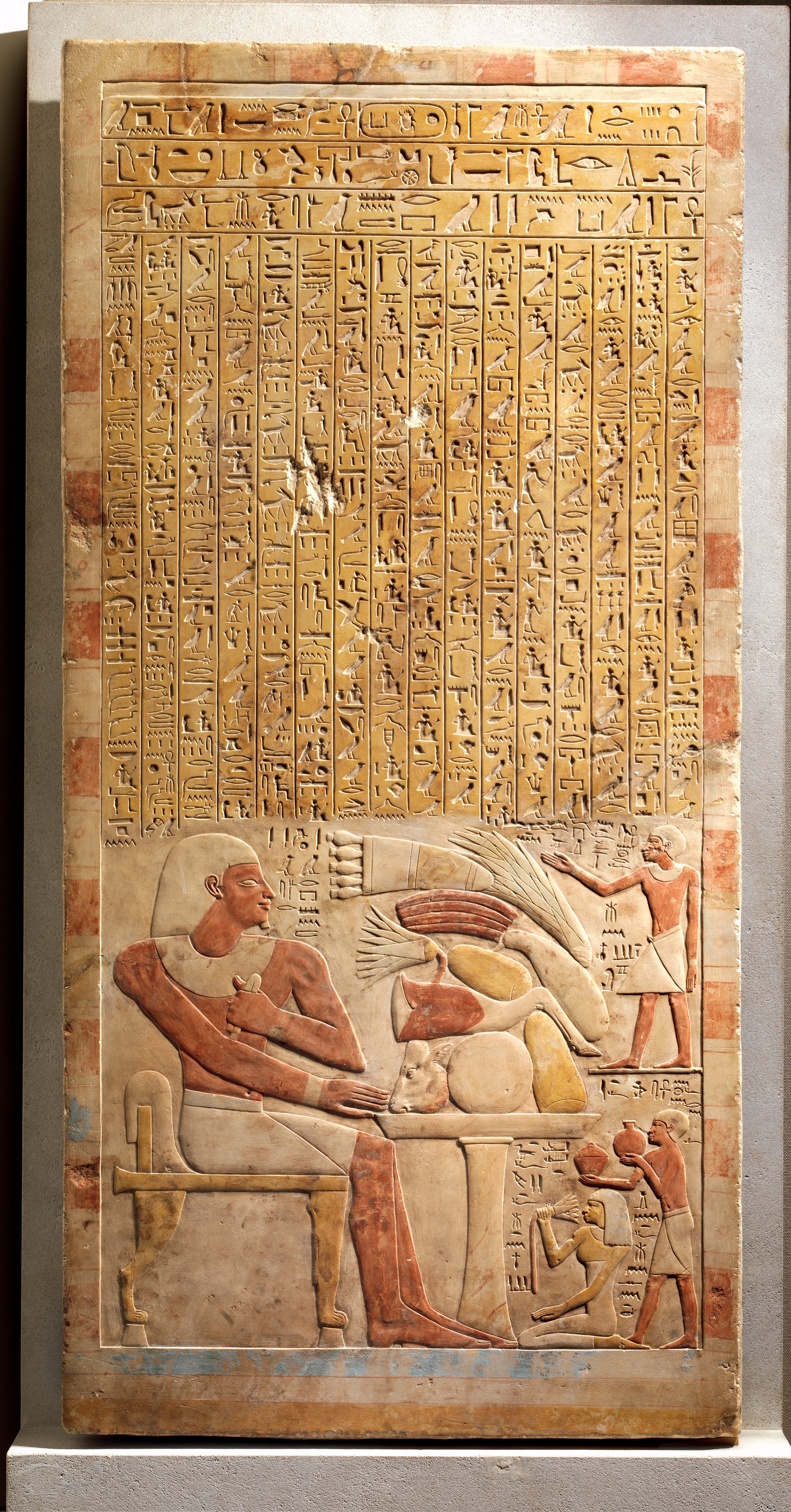
From trace to text
A diplomatic transcription records an editor's reading of the extant signs and line divisions under a declared convention. It is already interpretive: one faint groove may be assigned to a letter or left unread. A transliteration represents signs in another script; a normalized text may expand abbreviations, regularize spelling or supply word divisions and punctuation. Keep all layers linked to object, face and line. Never present a normalized reading as if every character stood plainly on the surface.
A lost patch has no visible sign. A damaged patch may preserve an uncertain sign. A restoration proposes what occupied loss, supported by space, grammar, parallel texts or formula. Each claim should have its own notation. EpiDoc and TEI offer ways to encode gaps, unclear text and supplied readings; Oracc ATF uses its own conventions, including square brackets for broken-away signs and a hash mark after a damaged sign. Read each edition's key rather than applying one project's marks to another.
Restoration as argument
Measure the available space and count plausible sign widths before supplying a word. Then test morphology, syntax, formulaic parallels and any duplicate witness. A phrase that fits a familiar formula can still be wrong if the surviving traces or space disagree. Mark a conjecture as conjecture even if it produces a fluent translation.
Practice: take one short line from a digital edition with damage marks. Make four rows: what survives physically, editor's diplomatic reading, editor's supply, and your English meaning. Do not copy a restoration into the first row.
| State of the surface | Permissible record | Evidence question |
|---|---|---|
| Sign clear | Read sign in a diplomatic line | Which stroke supports it? |
| Trace present, sign uncertain | Mark an uncertain reading | Which alternatives fit the trace? |
| Surface missing | Mark loss or a labelled supplement | How much space is gone? |
| Abbreviation visible | Keep letters and show expansion separately | What parallel supports the expansion? |
Modern-language examples on this page clarify a linguistic pattern. They do not establish unattested sounds or forms for an ancient language. Follow the cited sources below and keep editorial readings separate from the surviving trace.