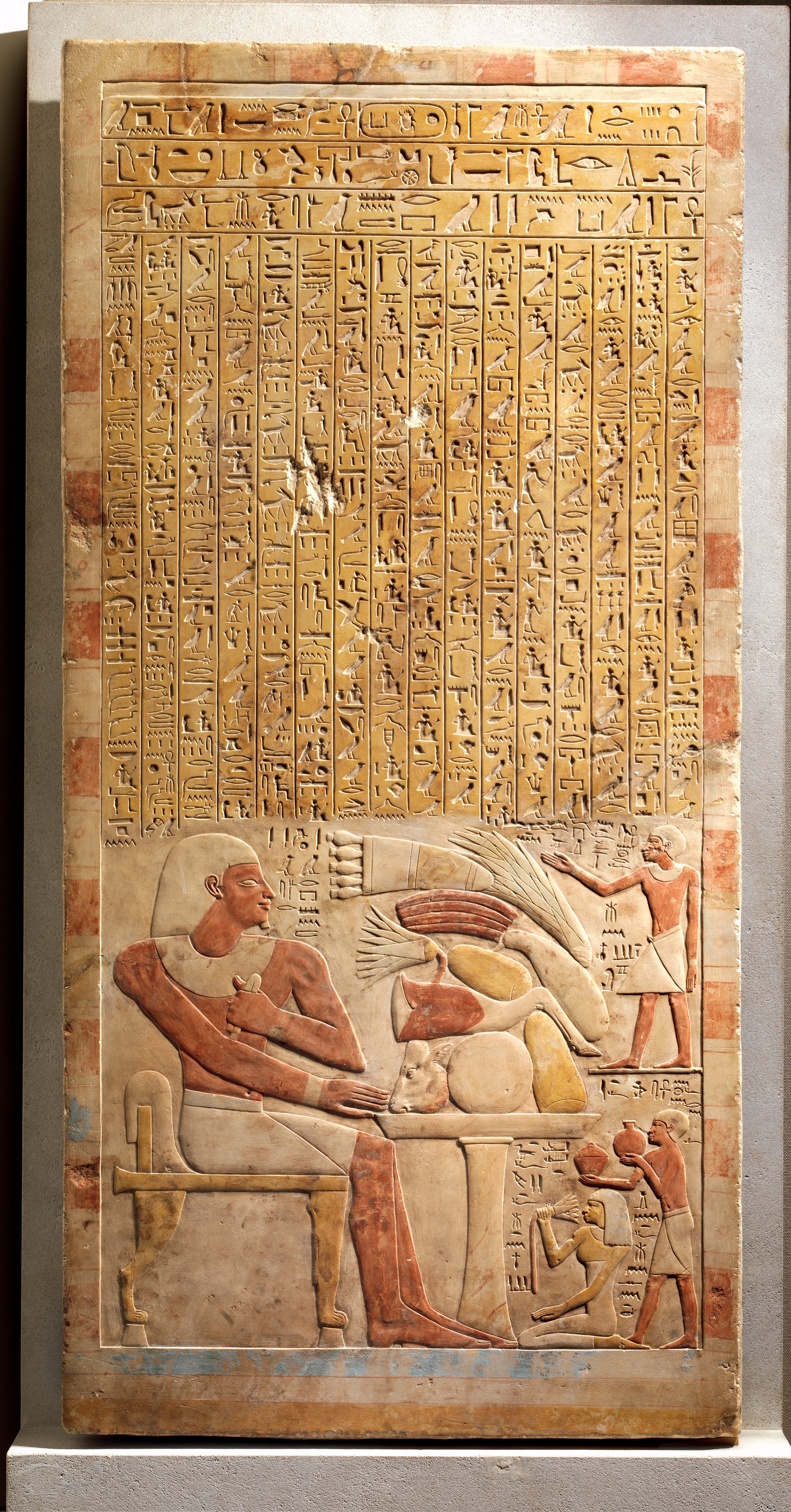
Provenance is evidence
An excavation context can date and locate a text; an unrecorded removal can destroy that evidence. Separate place of manufacture, original display, findspot, successive custody and current repository. State which links are documented and which are inferred. Do not use a museum location as the object's cultural origin or treat an old acquisition description as a complete account. The British Museum's Rosetta Stone record provides discovery and later custody information that belongs alongside the text's ancient setting.
The ethical question is practical as well as historical: who holds the object, who may study it, whose cultural knowledge or restrictions apply, and under what terms may images and data be shared? The National Museum of the American Indian states that it takes community requests and culturally sensitive information into account in public presentation. Other repositories and communities have their own protocols. Check the particular record rather than assuming every ancient inscription should be reproduced without conditions.
Responsible teaching reuse
Link to official records where images cannot be reused under a clear licence. If displaying a photograph, record photographer or institution, object number, licence and changes such as cropping or contrast adjustment. Credit the editor and translator separately. A reconstructed drawing should say so in the caption. A 3D model or squeeze can be historically important without becoming a substitute for the original object's provenance.
Practice: write a caption for one published inscription that names the object, holder, identifier, photographed or modeled view, rights source and edition used. Add a sentence explaining any uncertain findspot or later removal. If a community access restriction applies, follow it.
Modern-language examples on this page clarify a linguistic pattern. They do not establish unattested sounds or forms for an ancient language. Follow the cited sources below and keep editorial readings separate from the surviving trace.