Built setting and carved panels
INAH describes the Temple of the Inscriptions at Palenque as containing large carved glyphic panels and places the temple within a wider ceremonial and civic site. A panel's building context, dimensions, arrangement of glyph blocks and association with imagery matter to interpretation. “Palenque inscription” is too broad a citation: name the monument and panel, then the individual block or passage according to the specialist edition used.
INAH's account of the Palenque sculptural corpus describes monuments recovered and studied over a long history of exploration. A catalogued sculptural piece may no longer be in its original position. Record the conservation and recovery history before asserting what a visitor in antiquity would have seen.
The glyphic reading
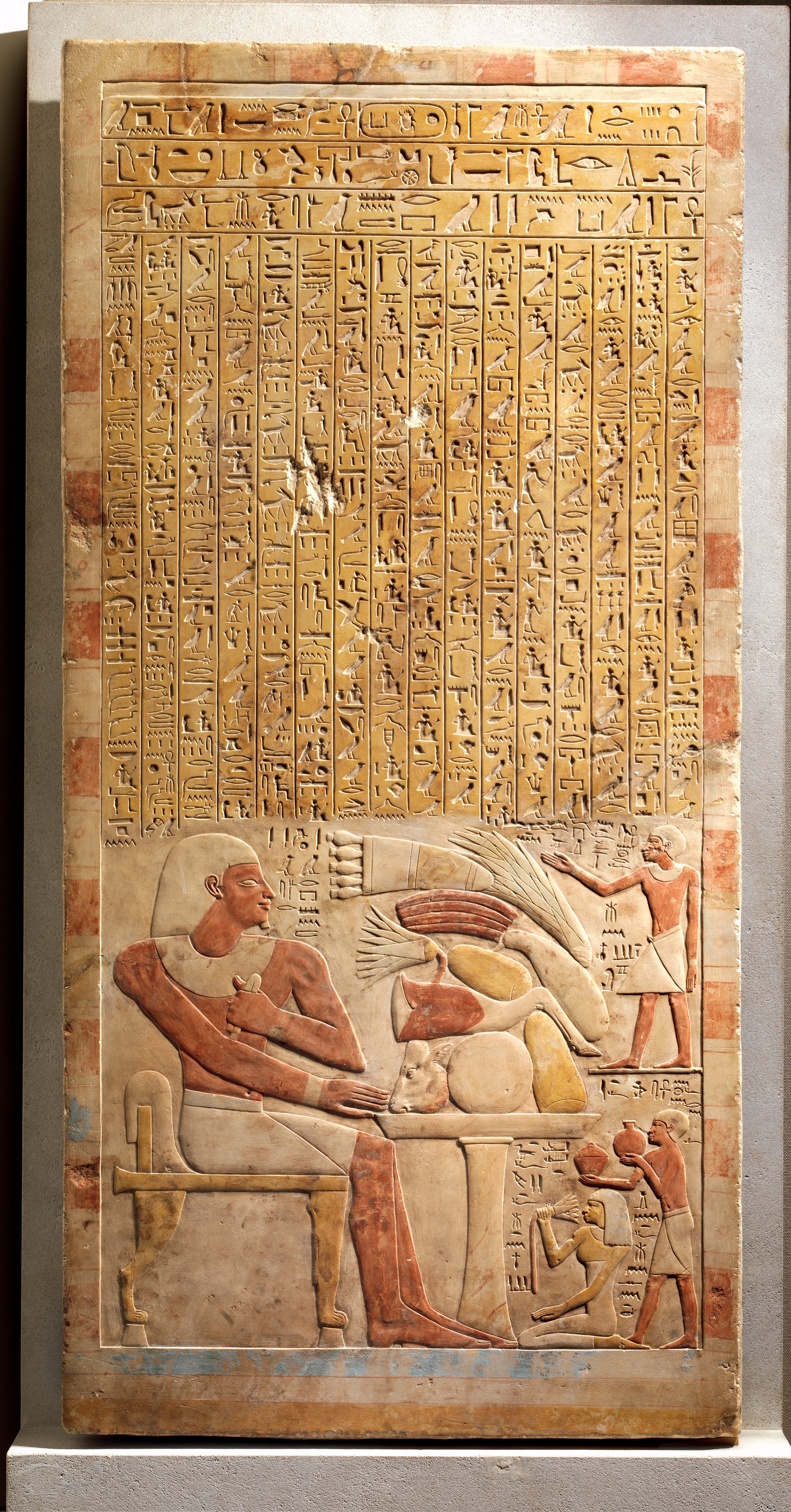
Maya writing combines word and syllabic signs. A drawing identifies and arranges glyph blocks; a transliteration assigns sign values; a linguistic transcription proposes words; a translation interprets a passage. Keep those stages separate and preserve uncertainty in damaged blocks. Calendrical statements can support absolute dating only through an argued correlation and contextual checks; a date label in a visitor guide is not a substitute for an edition's analysis.
Practice: choose a named Palenque panel in an INAH or scholarly object record. Draw its block sequence, cite the edition, and mark one place where illustration, glyph identification and translated meaning are different kinds of evidence. Do not invent a Maya reading from the image.
Modern-language examples on this page clarify a linguistic pattern. They do not establish unattested sounds or forms for an ancient language. Follow the cited sources below and keep editorial readings separate from the surviving trace.