Three locations
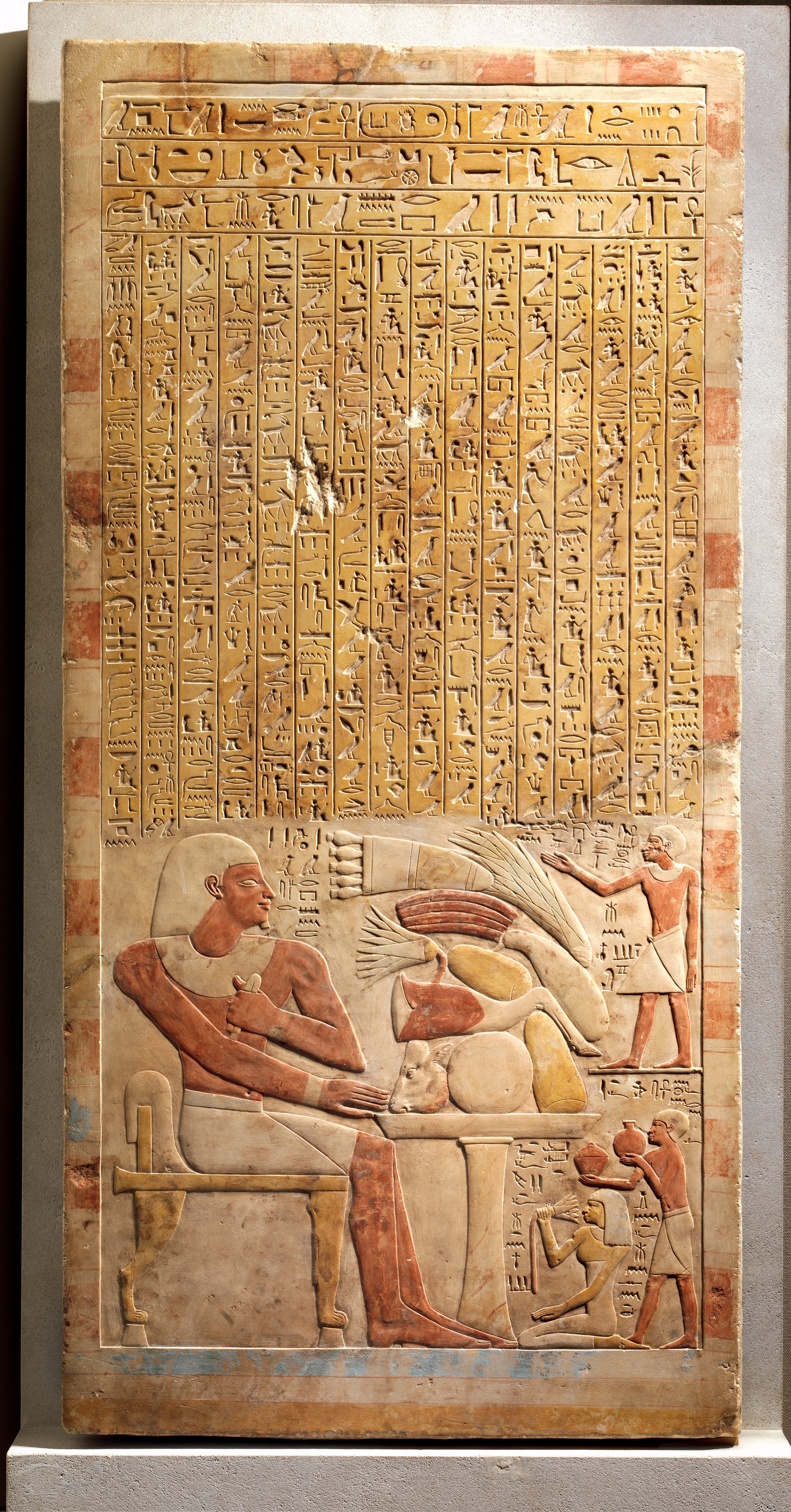
The present repository, recorded findspot and original display place can be three different locations. A text may have been moved, built into a later wall or recovered from fill. An excavated findspot gives a secure point in the object's later history, but it does not by itself prove where a monument was first erected. Record archaeological context, association with structures, orientation and visibility when documented. Do not turn an unknown original setting into a certain public audience.
The Rosetta Stone was found during construction work at Fort Saint Julien near Rashid. Its present display in London, its findspot and the ancient location intended for the decree are separate questions. The British Museum's record describes a series of such priestly decrees; that textual relationship does not make every surviving stone a fragment of one physical monument.
Scale and encounter
A large text high on a wall, a small stamp on a vessel and a boundary marker beside a route invite different ways of seeing. Note letter height, distance from ground, access and whether decoration or architectural framing directs attention. A public decree can claim broad authority without proving that every passer-by read it. A seal impression may have been viewed in an administrative workflow, not as a monument.
Practice: choose a site-linked inscription in a repository record. Sketch its location relative to doorway, road, tomb or architectural surface if that evidence exists. If the object is displaced, leave the original location marked as uncertain.
Modern-language examples on this page clarify a linguistic pattern. They do not establish unattested sounds or forms for an ancient language. Follow the cited sources below and keep editorial readings separate from the surviving trace.