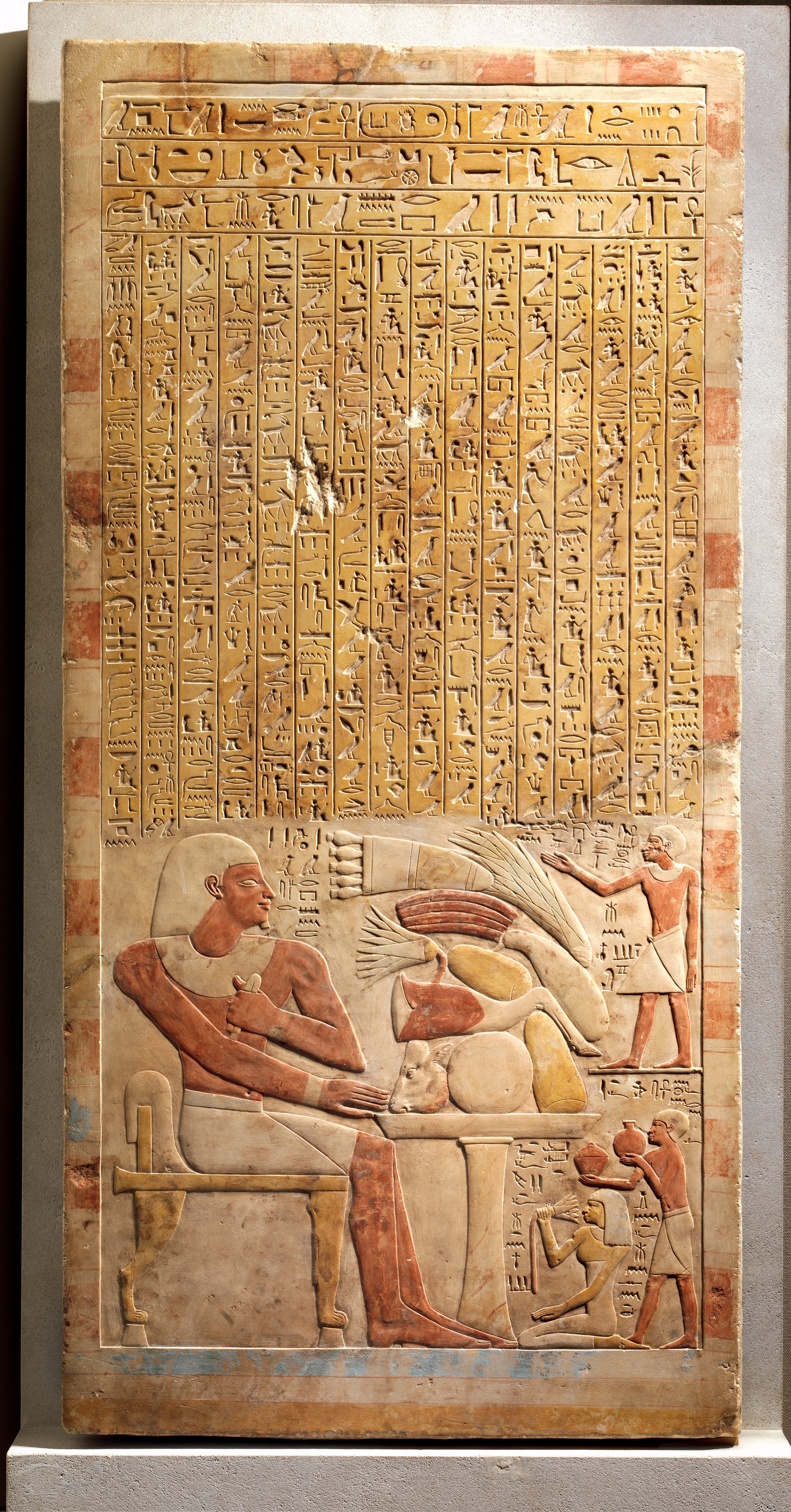
Field and repository record
Assign an object identifier and record exact surface labels before transcribing. Photograph the whole object, its setting and each inscribed face with scale, orientation and controlled light where permitted. Record dimensions of support, text field and letters, line spacing, margins, ruling and breaks. A close image without an overview can make a line readable while hiding where it sits on the monument. Follow conservation and repository handling rules; recording must not damage the evidence.
A hand drawing can explain a difficult groove, but it selects and emphasizes marks. A photograph records a particular light and camera condition, not all possible appearances. A paper squeeze is a molded impression of a relief surface and may preserve details now worn, yet it can be distorted, damaged or mislabeled. Its institution, date and maker matter. Compare all such records with the object when possible; call an impression or cast by its actual type.
A reproducible set
Keep the unaltered capture, processed image, tracing and transcription separately. Note camera position, light direction, scale and processing steps, especially where a contrast enhancement seems to reveal a new stroke. FADGI treats capture quality and preservation files as part of cultural-heritage digitization. IIIF can link a specific image region to the corresponding object surface, but the manifest is a presentation layer rather than an independent ancient witness.
Practice: design a record for a stone with writing on front and left edge. Give each face a stable label and list the overview, scale photograph, close-ups, measured drawing and any squeeze that would allow another reader to revisit a disputed letter.
Modern-language examples on this page clarify a linguistic pattern. They do not establish unattested sounds or forms for an ancient language. Follow the cited sources below and keep editorial readings separate from the surviving trace.