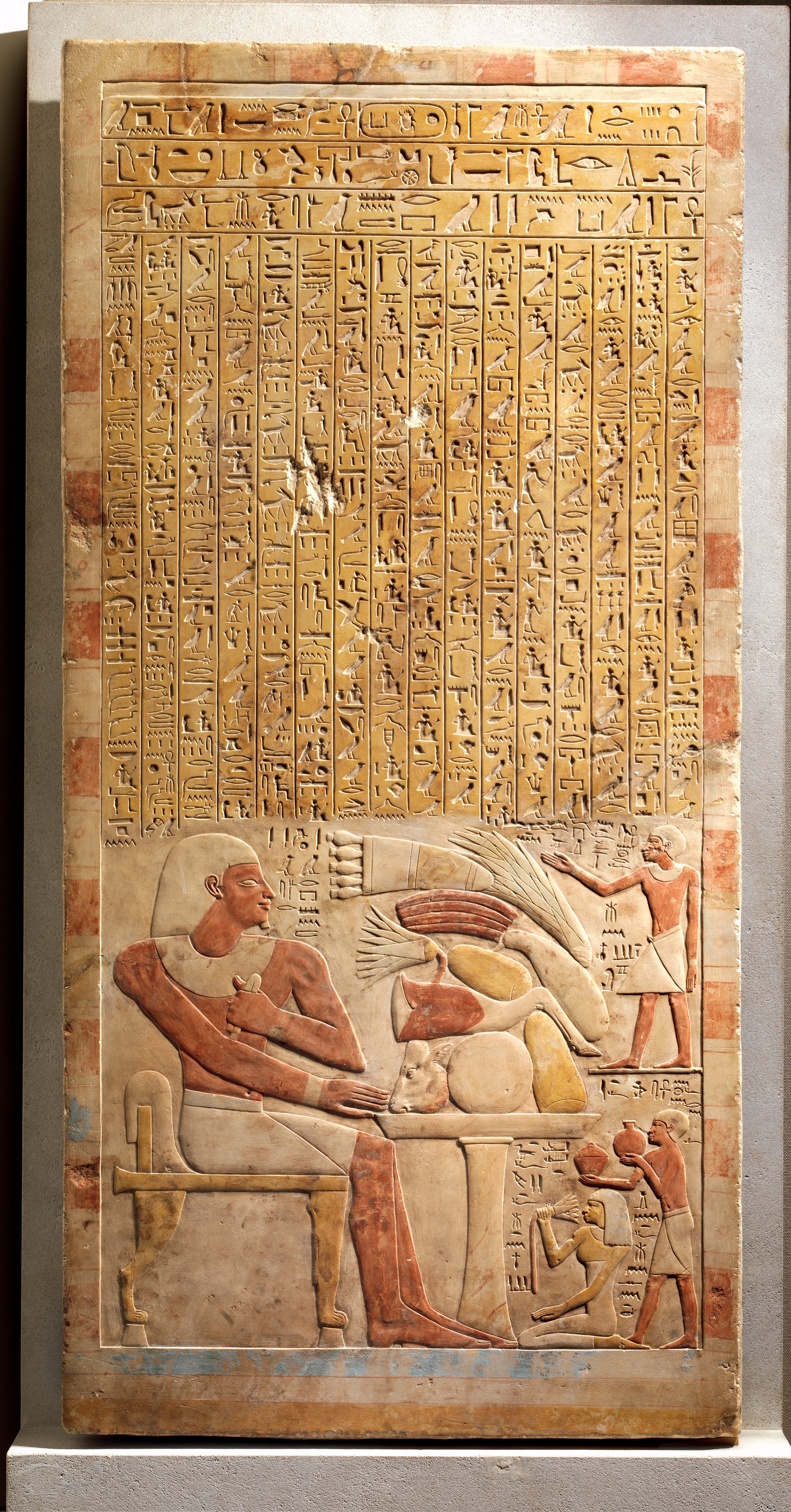
Relighting a surface
Reflectance Transformation Imaging, or RTI, combines photographs taken with light from different directions so a viewer can change the apparent illumination. Shallow incisions may become easier to inspect under raking virtual light. RTI remains a processed representation of the same surface; it does not automatically classify a groove as a letter. Keep the source images and acquisition information, and inspect whether a feature persists across lighting conditions.
A 3D model made by photogrammetry or scanning can document geometry and permit measurement or alternative views. Resolution, registration, lighting, mesh smoothing and texture quality affect what is visible. A model cannot restore missing stone, and a shaded rendering can make noise look like an intentional cut. Cite the model's creator and method, and compare it with ordinary photographs and direct observation when feasible.
An imaging question
Suppose a damaged sign might have a short horizontal stroke. First locate the exact region on the normal photograph. Test it with multiple light directions or a model; check whether the candidate follows a tool-cut profile and aligns with nearby signs. Then record “possible stroke” separately from a proposed character. If the stroke vanishes in some renderings, the uncertainty belongs in the edition.
Practice: view a museum or research RTI example and describe one feature that changes in visibility as light moves. Write one sentence about the observed surface and a different sentence about the sign you think it may represent.
Modern-language examples on this page clarify a linguistic pattern. They do not establish unattested sounds or forms for an ancient language. Follow the cited sources below and keep editorial readings separate from the surviving trace.