Several clocks
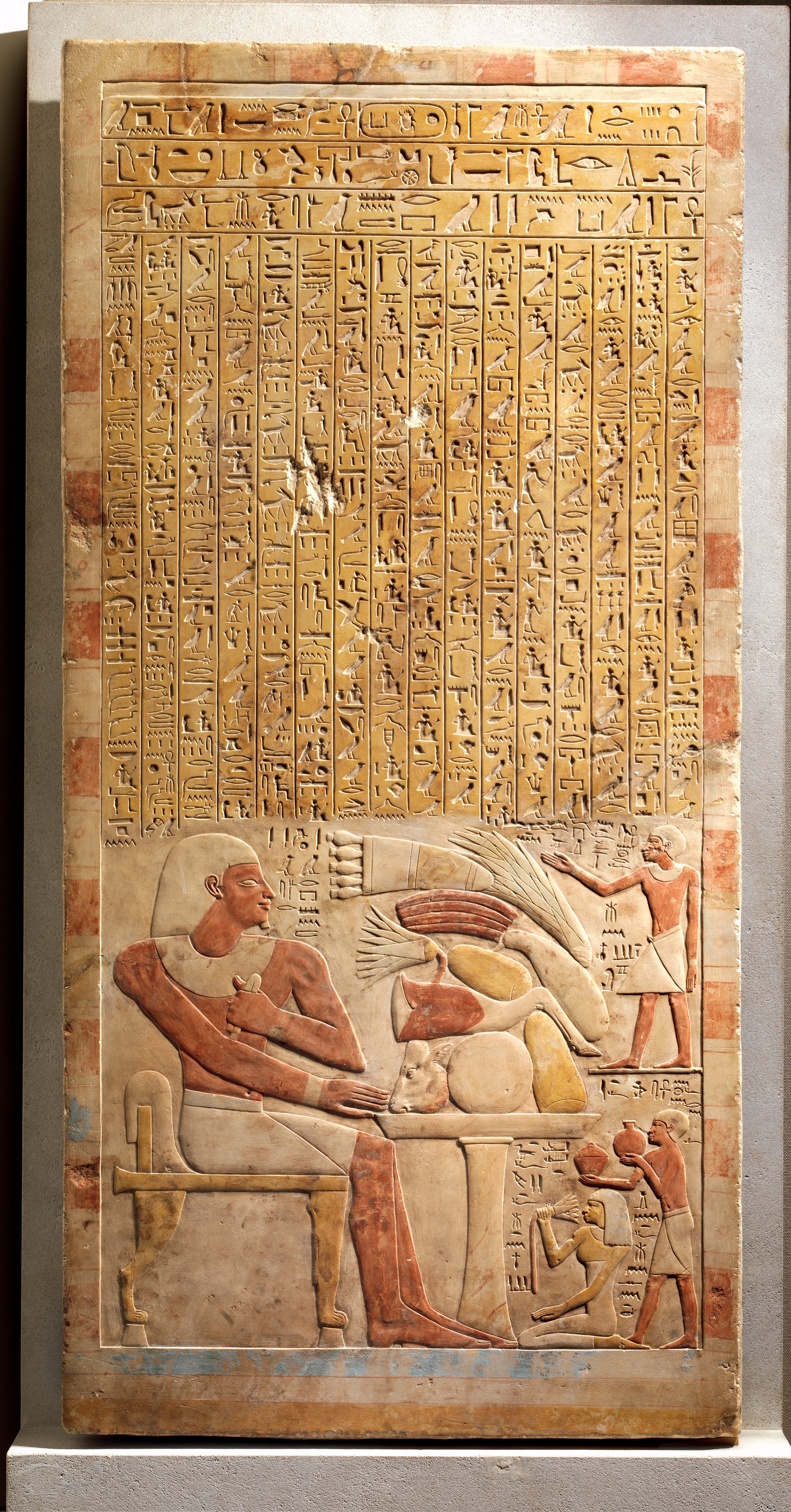
An inscription may carry a regnal year, named official, calendrical date or event. Each requires interpretation of the system and can date the text's commissioning or recording rather than the support's manufacture. Archaeological deposits can date deposition; stratigraphic relationships can give earlier or later limits; material and letterforms usually give ranges. Reuse means the date of a wall can differ from the carved text embedded in it.
Write the evidence next to the proposed date: “named ruler in text,” “sealed layer,” “letterform comparison” or “editorial attribution.” If sources disagree, preserve the competing ranges and reasons. The EDH records chronological data with the inscription record; a learner should look for the bibliography and grounds for the assigned range before repeating it as exact.
A date exercise
Imagine, solely for practice, that an inscribed block was reused in a building dated later than the ruler it names. The building provides a latest possible date for the block's reuse, while the named ruler constrains the text's original production. Neither fact proves the date when the stone was quarried.
Practice: for a real institutional record, put object manufacture, carving, first display, burial or reuse, discovery and modern edition on separate timeline rows. Use a range or “unknown” whenever the evidence calls for it.
Modern-language examples on this page clarify a linguistic pattern. They do not establish unattested sounds or forms for an ancient language. Follow the cited sources below and keep editorial readings separate from the surviving trace.