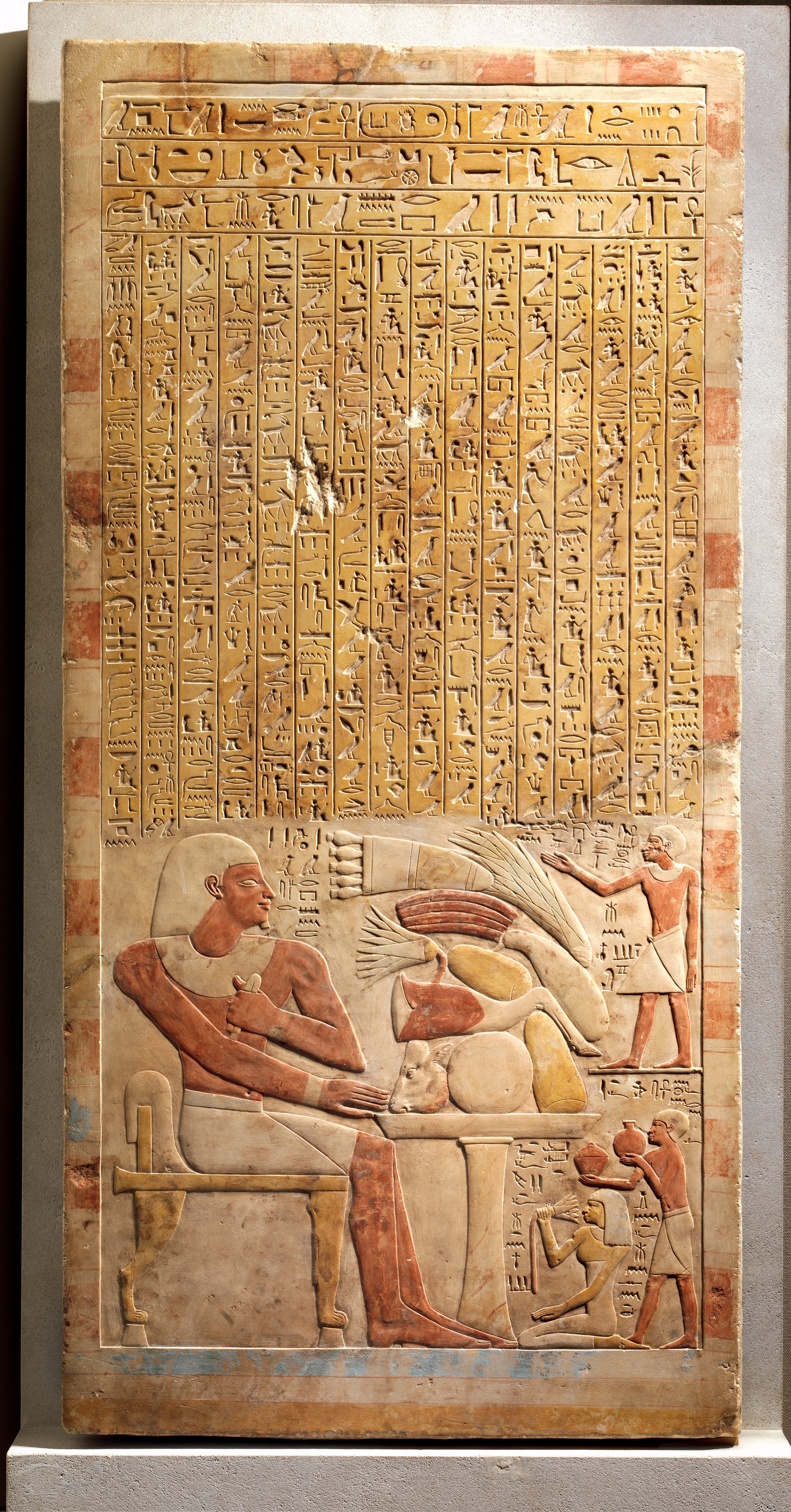
One object, several records
A museum accession number identifies an object in a collection. An excavation number identifies a field record. A corpus number identifies an entry in an edition; a digital project may assign another record identifier. One object may carry several texts, and fragments in different collections may be argued to belong to one monument. None of these identifiers is interchangeable. Cite the holding institution and object number, the edition and text number, and the line or surface used.
PHI gathers published Greek inscription texts; EDH indexes Latin inscriptions with chronological and geographic metadata; CDLI indexes cuneiform artifacts and publications. Their search fields, coverage and editorial conventions differ. Read the project description and rights statement before extracting data. A search hit is a route to evidence, not an object image or a definitive new edition.
A durable research note
For each inscription store: support and material, findspot and current location, physical identifiers, date range and grounds, script and language, text field and line map, edition and bibliography, image or 3D link with rights, diplomatic text, normalization, translation, and notes on uncertainty. Give each level its own field so an improved reading need not erase the original observation. Link a specific image canvas or region where the repository supplies IIIF.
Practice: take one published inscription and list every distinct identifier in its object record and edition. Make a citation that would still identify the object if the website's search URL changed.
Modern-language examples on this page clarify a linguistic pattern. They do not establish unattested sounds or forms for an ancient language. Follow the cited sources below and keep editorial readings separate from the surviving trace.